 Colorado Criminal Lawyer Blog
Accused of Stealing From Your Employer in Colorado? A Defense Guide to Employee Theft and Embezzlement Charges


Accused of Stealing From Your Employer in Colorado? A Defense Guide to Employee Theft and Embezzlement Charges
The call usually comes from someone you know. A manager asks you to step into a conference room. Someone from HR is already there, sometimes with an outside accountant or a lawyer for the company. They slide a stack of spreadsheets across the table and ask you to “help them understand” some transactions.
By the time that meeting happens, your employer has often been building a case against you for weeks. The bank records have been pulled. The accounting software’s audit trail has been exported. Someone has already decided what the “loss” is. The meeting is not a conversation. It is the last step before a police report, and what you say in that room can become the most important evidence in a criminal case.
This guide is written for the person on the other side of that table: the bookkeeper, office manager, store manager, controller, cashier, or salaried employee who has been accused of theft or embezzlement from an employer in Colorado. It explains how these cases are charged, how they are built, what you should and should not do right now, and how they are defended.
- Colorado has no separate “embezzlement” crime for private employers. It is charged as theft under C.R.S. § 18-4-401, and the dollar amount drives everything.
- Stop talking. HR interviews, “just clarify this” emails, and repayment discussions are where most people damage their own defense.
- Do not sign anything — no confession, no promissory note, no repayment agreement — until a criminal defense lawyer has reviewed it.
- The employer’s number is not the law’s number. Authorized payments, double-counting, bookkeeping errors, and aggregation rules can shrink the alleged loss and the charge level.
- Good outcomes are realistic. Dismissal, diversion, a deferred judgment, or a reduced charge are often possible when the defense is built early.
How Colorado Charges “Embezzlement” From an Employer
People use the word “embezzlement” for theft by someone who was trusted with access: the bookkeeper with the company checkbook, the manager with the safe combination, the employee with a company card. But for private employers, Colorado does not have a separate embezzlement statute. Under C.R.S. § 18-4-403, the older crimes of larceny, embezzlement, and false pretenses were folded into a single offense: theft.
That means the prosecution charges you under the general theft statute, C.R.S. § 18-4-401, and must prove its elements beyond a reasonable doubt.
A person commits theft when he or she knowingly obtains, retains, or exercises control over anything of value of another without authorization or by threat or deception, and, among other alternatives, intends to deprive the other person permanently of the use or benefit of the thing of value.
In employee cases, three words in that definition carry most of the fight:
- “Knowingly.” A mistake, a sloppy reconciliation, or a misunderstanding of a company policy is not theft. The prosecution has to prove you knew what you were doing.
- “Without authorization.” Many employee cases involve money that someone at the company approved, tolerated, or routinely allowed — an informal advance, a reimbursement practice, a bonus promised verbally, an owner who said “just put it on the card.”
- “Permanently.” The prosecution must prove intent to deprive the employer permanently, or one of the other statutory alternatives. What you believed and intended at the time matters enormously.
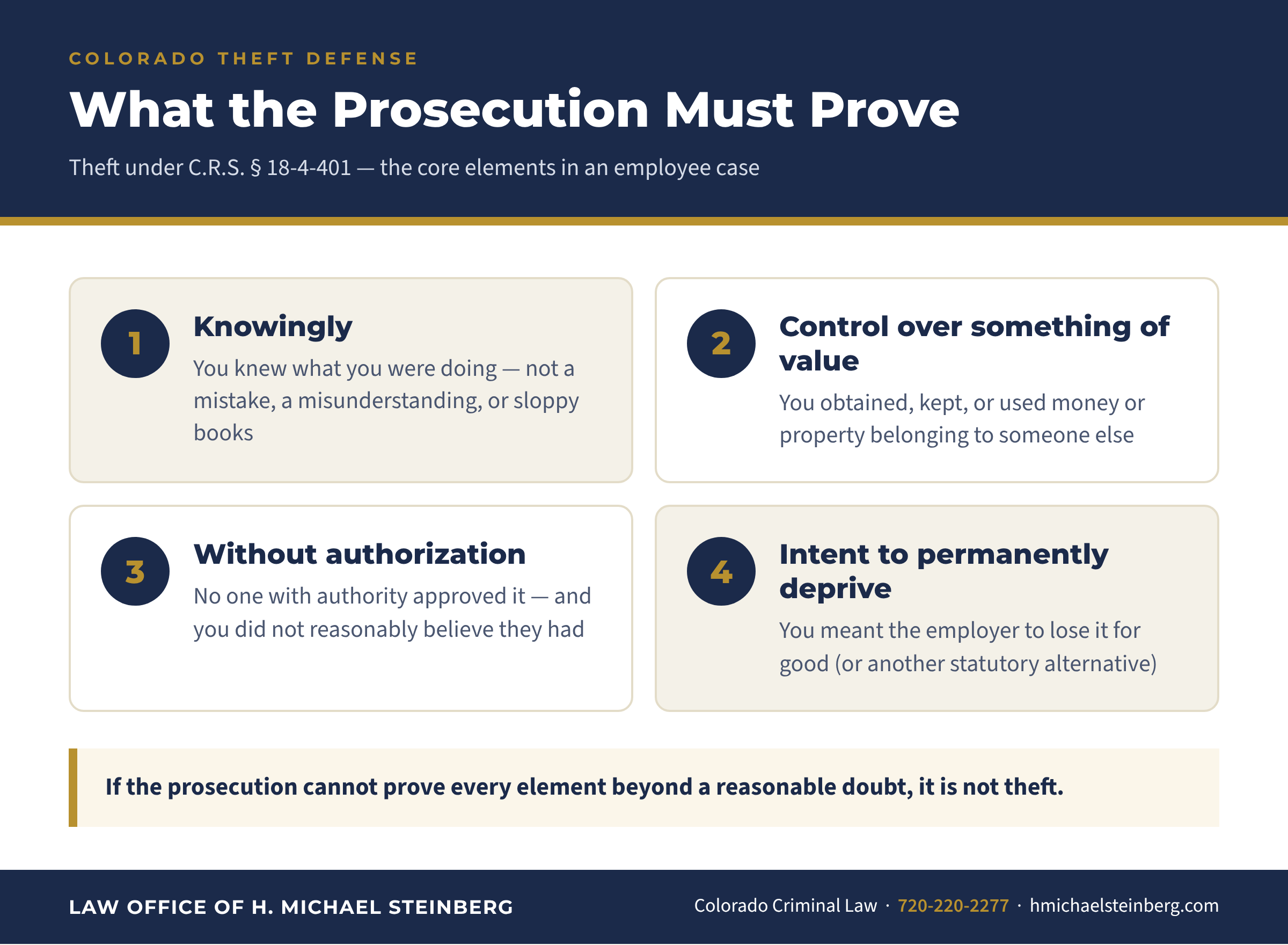
Figure 1 — What the prosecution must prove
The Dollar Amount Drives the Charge
In Colorado, the classification of a theft charge — petty offense, misdemeanor, or felony — depends on the value of what was allegedly taken. Felony theft begins at $2,000. Felony sentencing ranges come from C.R.S. § 18-1.3-401, and misdemeanor ranges from C.R.S. § 18-1.3-501.
| Alleged value | Classification | Presumptive range |
|---|---|---|
| Under $300 | Petty offense | Up to 10 days jail and/or up to $300 fine |
| $300 to under $1,000 | Class 2 misdemeanor | Up to 120 days jail and/or up to $750 fine |
| $1,000 to under $2,000 | Class 1 misdemeanor | Up to 364 days jail and/or up to $1,000 fine |
| $2,000 to under $5,000 | Class 6 felony | 1 year to 18 months prison; 1 year parole |
| $5,000 to under $20,000 | Class 5 felony | 1 to 3 years prison; 2 years parole |
| $20,000 to under $100,000 | Class 4 felony | 2 to 6 years prison; 3 years parole |
| $100,000 to under $1 million | Class 3 felony | 4 to 12 years prison; 3 years parole |
| $1 million or more | Class 2 felony | 8 to 24 years prison; 3 years parole |
Those are statutory ranges, not predictions. Many people charged with employee theft — especially those with no prior record — never go to prison.
Probation, a deferred judgment, or a reduced charge are common outcomes when the defense is handled well. But the table shows why the dollar figure is so important: moving a case from $21,000 to $19,000 changes it from a class 4 felony to a class 5 felony. Moving it below $2,000 takes it out of felony territory entirely.

Figure 2 — Colorado’s theft value ladder
Aggregation: how small amounts become a felony
Employee cases rarely involve one big transaction. They usually involve dozens or hundreds of small ones — a refund here, an expense report there.
Under § 18-4-401(4), the prosecution may combine (“aggregate”) separate thefts into a single count when they occurred within six months, or when they were committed against the same person as part of one scheme or course of conduct. The charge is then based on the total.
Aggregation is a powerful prosecution tool, but it has rules. In People v. Ramos, 2017 COA 100, a PTSA treasurer’s aggregated theft conviction was vacated because the jury did not find that she committed all of the thefts combined in that count. The prosecution has to prove every theft it bundles together.
And in Roberts v. People, 203 P.3d 513 (Colo. 2009), the Colorado Supreme Court examined how the theft statute defines the unit of prosecution. A careful defense tests each transaction in the bundle, the time windows, and whether the “one scheme” theory actually fits the evidence.
How Employee Theft Cases Are Built — Usually Before You Know
Most criminal cases start with the police. Employee theft cases usually start with the employer. That difference shapes everything.
- Discovery. Someone notices a discrepancy: a bank reconciliation that does not tie out, a vendor no one recognizes, inventory shrinkage, a customer complaint.
- Quiet internal review. The company restricts your access, pulls records, and often hires a forensic accountant or outside counsel. You may not know this is happening.
- The interview. HR, a manager, an owner, or the company’s lawyer asks you to explain. The goal is frequently an admission or a signed statement.
- The demand. You may receive a demand letter, a proposed repayment agreement, or a promissory note — sometimes paired with an implied promise not to go to the police.
- The police report. The company hands law enforcement a packaged case: a summary, spreadsheets, a loss number, and any statements you made.
- Charges. A detective may contact you for “your side.” A summons or arrest warrant may follow.
By the time a detective calls, the narrative has been written by people who are not neutral. The company wants its money back, may want to satisfy an insurer, and may want to justify a termination. A defense lawyer’s job is to get involved as early as possible — ideally before step 5 — while there is still a chance to shape what the prosecutor sees.
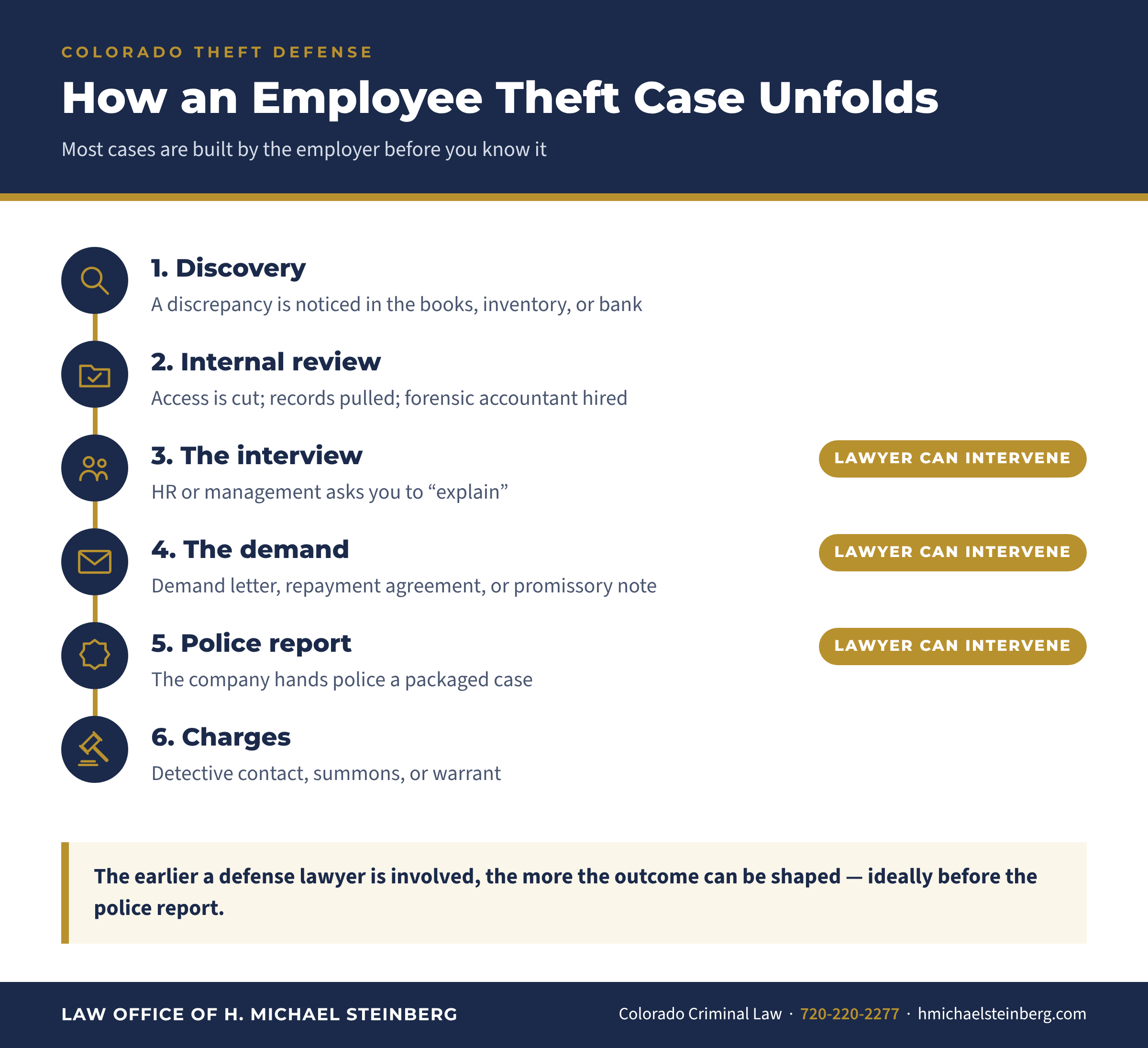 Figure 3 — How an employee theft case unfolds
If You Have Been Accused: What to Do Right Now
Do not explain yourself to the company
This is the hardest advice to follow, because most people want to clear the air. But an interview with your employer is not a neutral conversation. A private employer is not the police, so the Miranda rules generally do not apply to its interviews — and anything you say can be written down and handed to a detective.
A partial explanation, a guess about a transaction you do not remember, or an apology meant to smooth things over can later be presented as a confession. As we explain in Why Innocent People Sometimes Hurt Their Cases by Talking to Colorado Police, honest people are often hurt most by trying to explain.
You can be polite and still say: “I want to cooperate, but I need to speak with a lawyer before I answer questions about this.”
Do not sign anything
Companies frequently present a written statement, a resignation letter with admissions in it, or a repayment agreement. Signing a document that states you “took” or “misappropriated” a specific amount can lock in both the facts and the number. Have a criminal defense lawyer review anything before you sign.
Do not talk to the police without a lawyer
If a detective calls, you have the right to remain silent and the right to counsel. Use them. Our guides on what to do if you learn you are under investigation and the ten biggest mistakes people make after learning they are under investigation walk through exactly what to say. If you already talked, all is not lost — see What If You Already Talked to the Police and Made a Mistake?
Do not delete, alter, or “fix” anything
Do not log into company systems, edit records, delete emails or texts, or move money around to “make it right.” Even well-intended changes can be treated as evidence of guilt and can create separate charges.
Do preserve your own evidence
Write down — for your lawyer only — who approved what, when, and how. Save personal copies of anything you are lawfully entitled to keep: pay stubs, texts or emails with the owner approving expenses, your employment agreement, bonus or commission promises, and reimbursement policies. These records often become the core of the defense.
Do not contact coworkers about the case
Discussing the accusation with coworkers can be misread as an attempt to influence witnesses. Let your lawyer handle contact with witnesses.
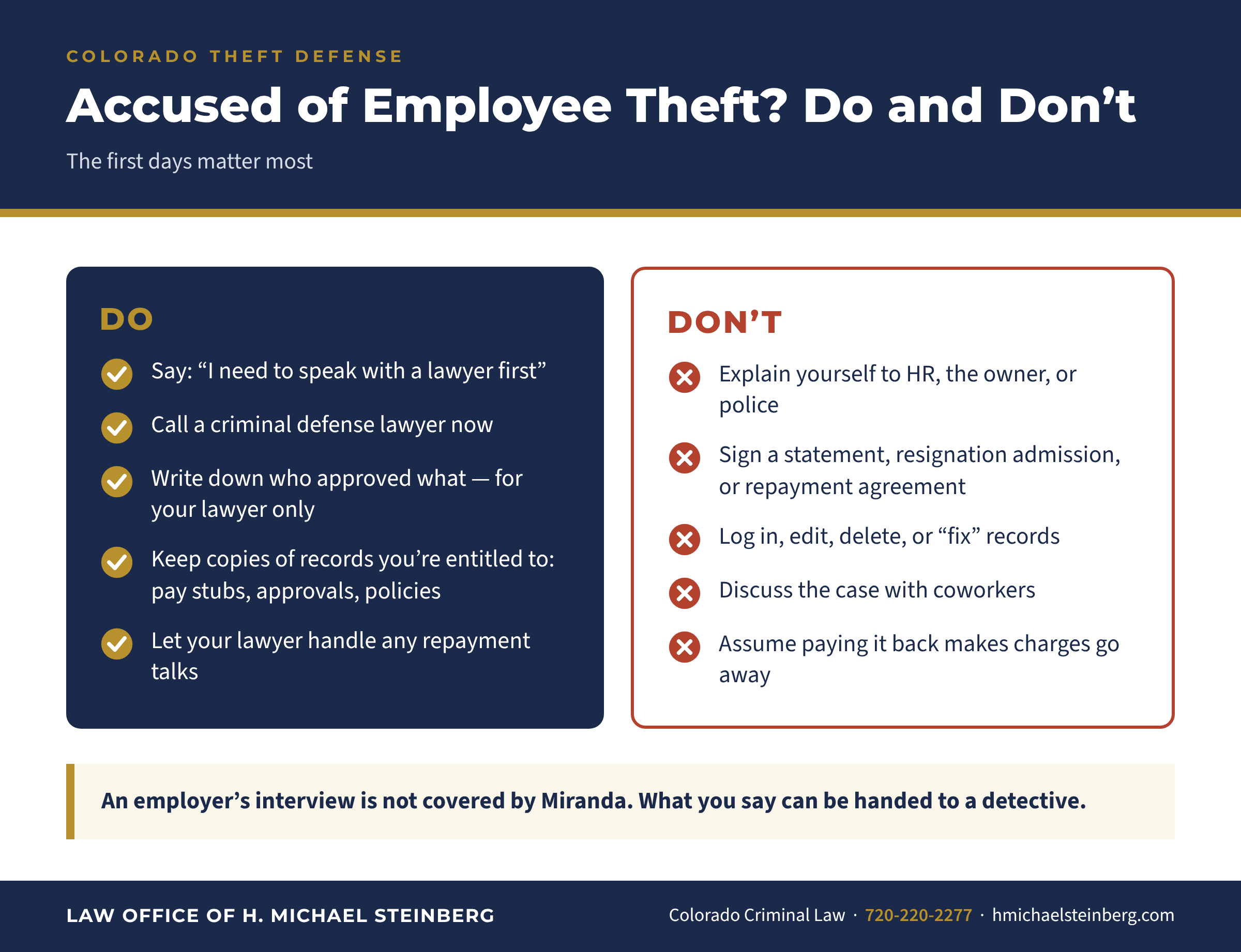
Figure 4 — If you are accused: do and don’t
Repayment Offers, Demand Letters, and Civil Theft
Many employers pursue money and prosecution at the same time. Colorado’s civil theft statute, C.R.S. § 18-4-405, allows a property owner to sue and seek three times its actual damages plus attorney fees. A demand letter citing that statute is meant to create pressure.
Repayment can be a legitimate and helpful part of resolving a case. Prosecutors and judges often respond well to restitution that is paid early. But how repayment is structured matters:
- A repayment agreement drafted by the company usually contains admissions that can be used in the criminal case.
- An employer generally cannot promise you that the police will not be involved, and a promise not to report in exchange for money raises its own legal problems.
- Colorado’s compounding statute, C.R.S. § 18-8-108, makes it a crime to accept money as consideration for refraining from reporting or seeking prosecution of an offense — with an affirmative defense where the amount did not exceed what was reasonably believed to be due as restitution.
- Even if you pay, the district attorney — not the employer — decides whether to file charges.
The right approach is usually to let defense counsel negotiate any repayment, without admissions, and in a way that can be credited in the criminal case. The company may also pursue a civil suit after a criminal case, so the two tracks must be coordinated.
Defenses to Employee Theft and Embezzlement Charges
Every case turns on its own records, but these are the defenses that come up most often in Colorado employee theft cases.
1. Authorization or permission
The single most common defense. Small businesses often run on informal arrangements: the owner who let you use the company card for personal items and deduct it later, the verbal bonus, the “borrow it and pay it back” understanding, the practice everyone followed but no one wrote down. If the money was authorized — or you reasonably believed it was — the prosecution cannot prove theft.
2. No criminal intent: errors, chaos, and disputes
Bookkeeping in many businesses is messy. Commingled accounts, mis-coded entries, missing receipts, software migrations, and turnover produce discrepancies that look like theft in a spreadsheet but are not. Disputes about unpaid wages, commissions, expense reimbursements, or ownership interests are often civil disagreements that have been reframed as crimes.
3. Someone else had access
Shared logins, shared cash drawers, multiple people with approval authority, and owners who also move money all create reasonable doubt about who did what. The audit trail shows which account took an action, not necessarily which human being was at the keyboard.
4. The value is wrong
Value determines the charge level, so it is often the most productive battleground. The employer’s figure may double-count transactions, include authorized payments, use retail rather than actual value for inventory, include amounts outside the charged time period, or rely on estimates instead of records.
5. The aggregation is improper
If the prosecution bundles transactions together to reach a felony threshold, it must satisfy the aggregation statute and prove each theft in the bundle. As Ramos shows, a failure to prove the whole bundle can undo the aggregated conviction.
6. The statute of limitations has run
Under C.R.S. § 16-5-401, felony charges generally must be filed within three years, misdemeanors within 18 months, and petty offenses within six months. For theft, the clock starts at discovery of the criminal act. In People v. Cito, 2012 COA 221, the court of appeals held that “discovery” means when the victim or the state knew, or through reasonable diligence should have known, the facts establishing the criminal act. When an employer ignored red flags for years, older transactions may be time-barred.
7. Unlawfully obtained evidence
Once police are involved, search warrants for bank records, phones, and personal accounts must meet constitutional requirements. Overbroad warrants and searches that exceed their scope can be challenged.
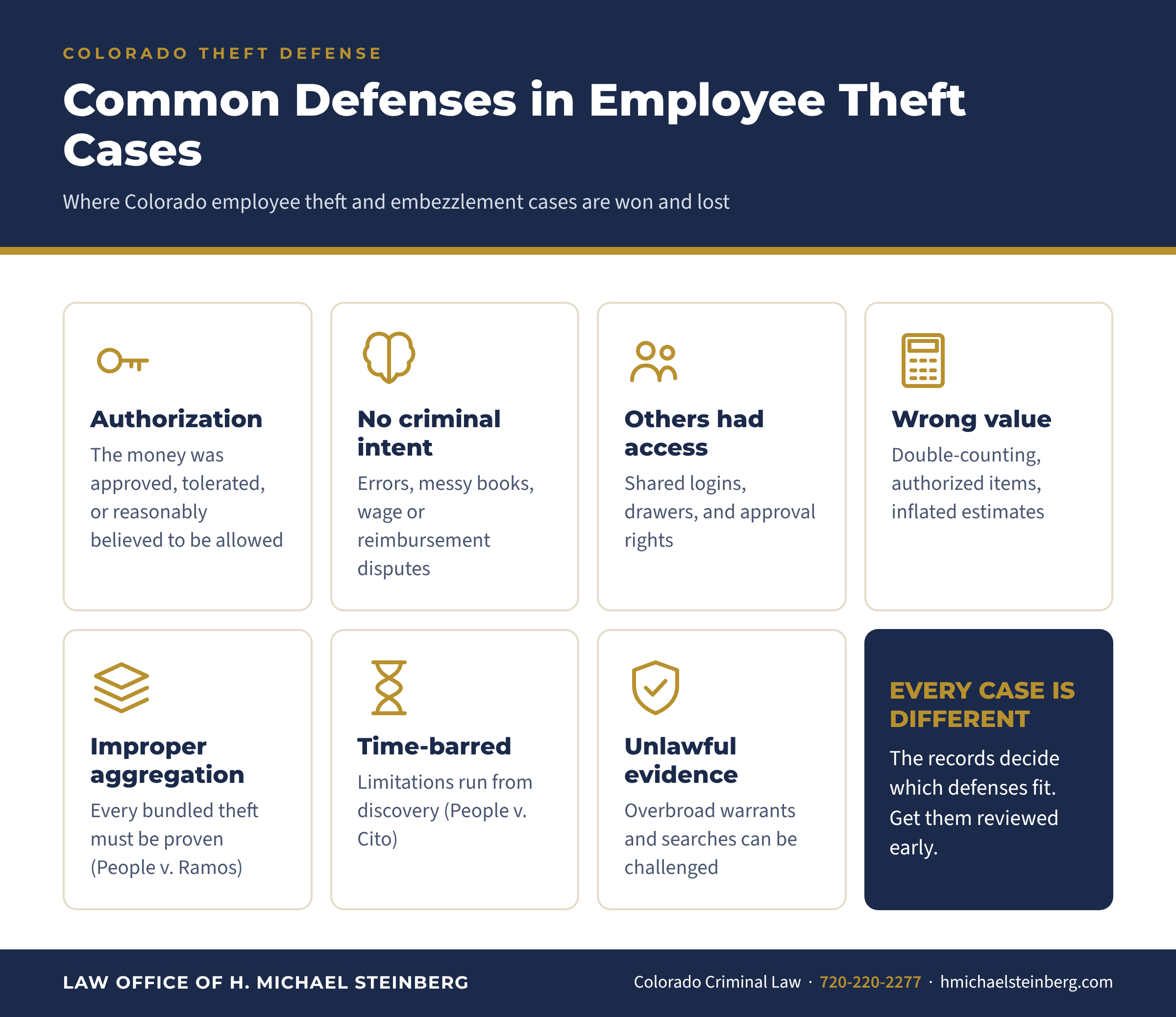
Figure 5 — Common defenses in employee theft cases
The Forensic Accounting Battle
In most employee theft cases, the prosecution’s evidence is a spreadsheet — and the person who built it was paid by the company that wants its money back. That does not make it wrong, but it does make it advocacy. As we discuss in A Guide to White Collar Defense in Colorado, a defense forensic accountant is often essential.
A defense review typically asks:
- Which transactions were actually authorized, approved, or reimbursable?
- Were any transactions counted twice, or counted as both a payment and a missing deposit?
- Do the alleged losses tie to the charged conduct and the charged dates?
- Was any money repaid, offset against wages owed, or returned?
- Which transactions fall outside the limitations period or the six-month aggregation window?
- Is the “loss” a documented figure, or an extrapolation from a sample?
Every dollar removed from the alleged loss matters, both for the charge level and for restitution.
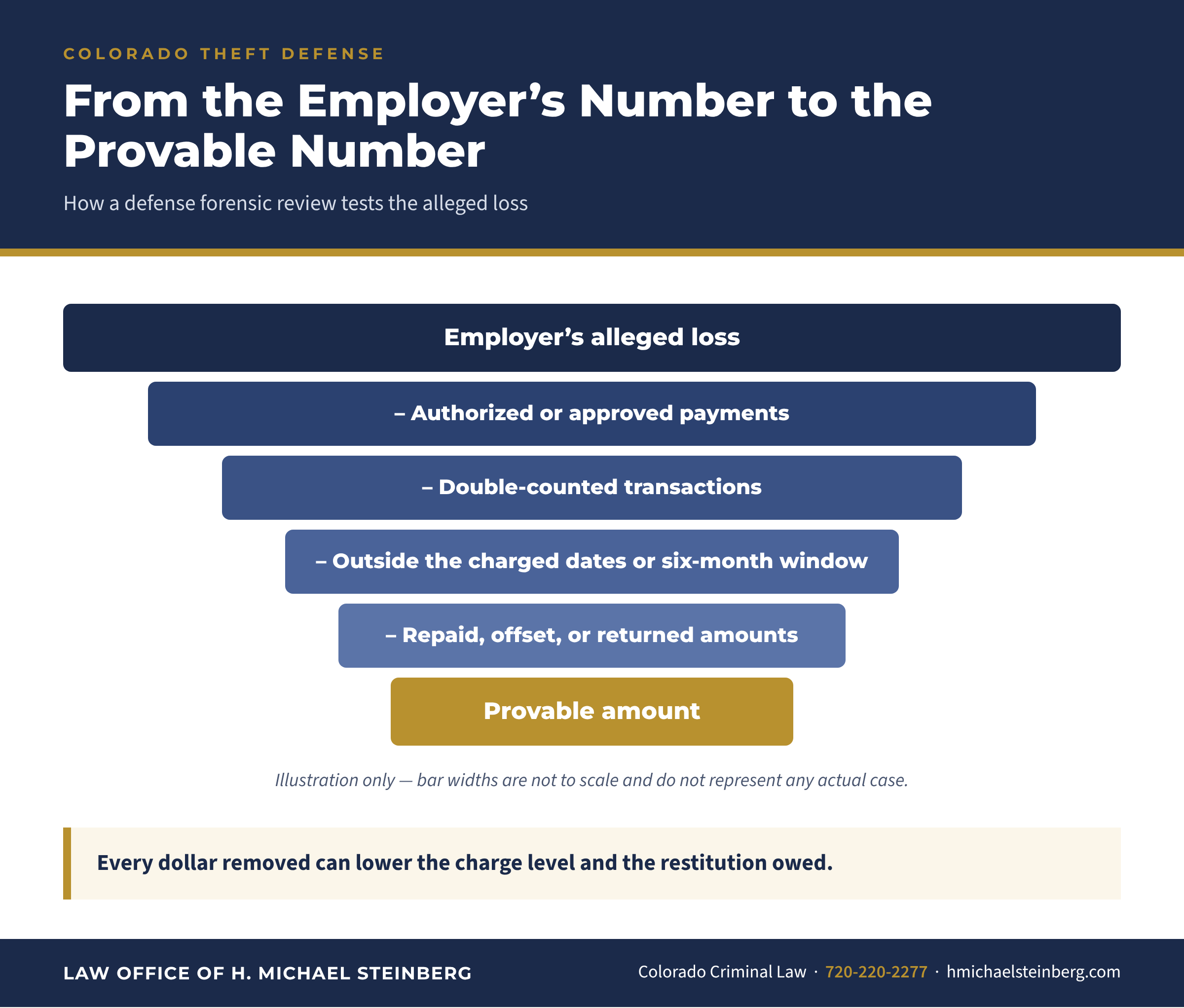
Figure 6 — From the employer’s number to the provable number
Restitution: What You May Have to Pay
If you are convicted — including through a plea — Colorado law requires the court to address restitution under C.R.S. § 18-1.3-603. Restitution is often the largest practical consequence in an employee theft case. You can learn more about the process in How Restitution Is Calculated and Ordered in Colorado Criminal Cases.
- Tight deadlines. Under the 2025 amendments in HB 25-1304, for people sentenced after the change, the prosecution generally has 63 days after conviction to submit its restitution information if it was not ready at sentencing, and the court then has 63 days after that submission to set the amount, unless it finds good cause to extend. Earlier cases were governed by a 91-day deadline enforced in People v. Weeks, 2021 CO 75.
- In People v. Roberson, 2025 CO 30, the Colorado Supreme Court held that a defendant can waive the deadline — for example, by agreeing to a hearing date outside it. Defense counsel has to watch these deadlines carefully.
- Insurance payouts. Many businesses carry crime or employee-dishonesty insurance. Under HB 26-1017, signed in April 2026, insurers are generally removed from the definition of “victim” for criminal restitution, with limited exceptions such as workers’ compensation insurers and insurers that were direct victims. Whether and how it applies depends on the timing of your case. See our discussion of the 2026 insurance restitution change.
- The amount is contestable. Restitution must be tied to losses caused by the conduct. The same valuation problems that affect the charge level apply here.
- Ability to pay. Large restitution orders can outlast probation. See Extending Probation to Pay Unpaid Restitution.
How Employee Theft Cases Are Resolved
Most employee theft cases do not go to trial, but that does not mean they end in a felony conviction. Depending on the evidence, the amount, and your history, realistic outcomes include:
- No charges filed — when early intervention persuades the prosecutor that the case is a civil dispute or cannot be proven.
- Dismissal — when the evidence fails, the limitations period has run, or key evidence is suppressed.
- Diversion — the case is paused and dismissed after you complete conditions. See Colorado First-Time Offender: Legal Options.
- Deferred judgment — under C.R.S. § 18-1.3-102, you plead guilty, but the conviction is not entered; if you complete the conditions (up to four years for a felony, two for a misdemeanor), the plea is withdrawn and the case is dismissed. Learn more in What Is a Colorado Deferred Judgment? and Understanding the Colorado Deferred Judgment and the Split Plea Offer.
- Reduced charge — a plea to a lower value tier, often a misdemeanor, frequently paired with restitution. See How Do Plea Bargains Work?
- Trial — when the defense is strong and the prosecution will not offer a fair resolution.
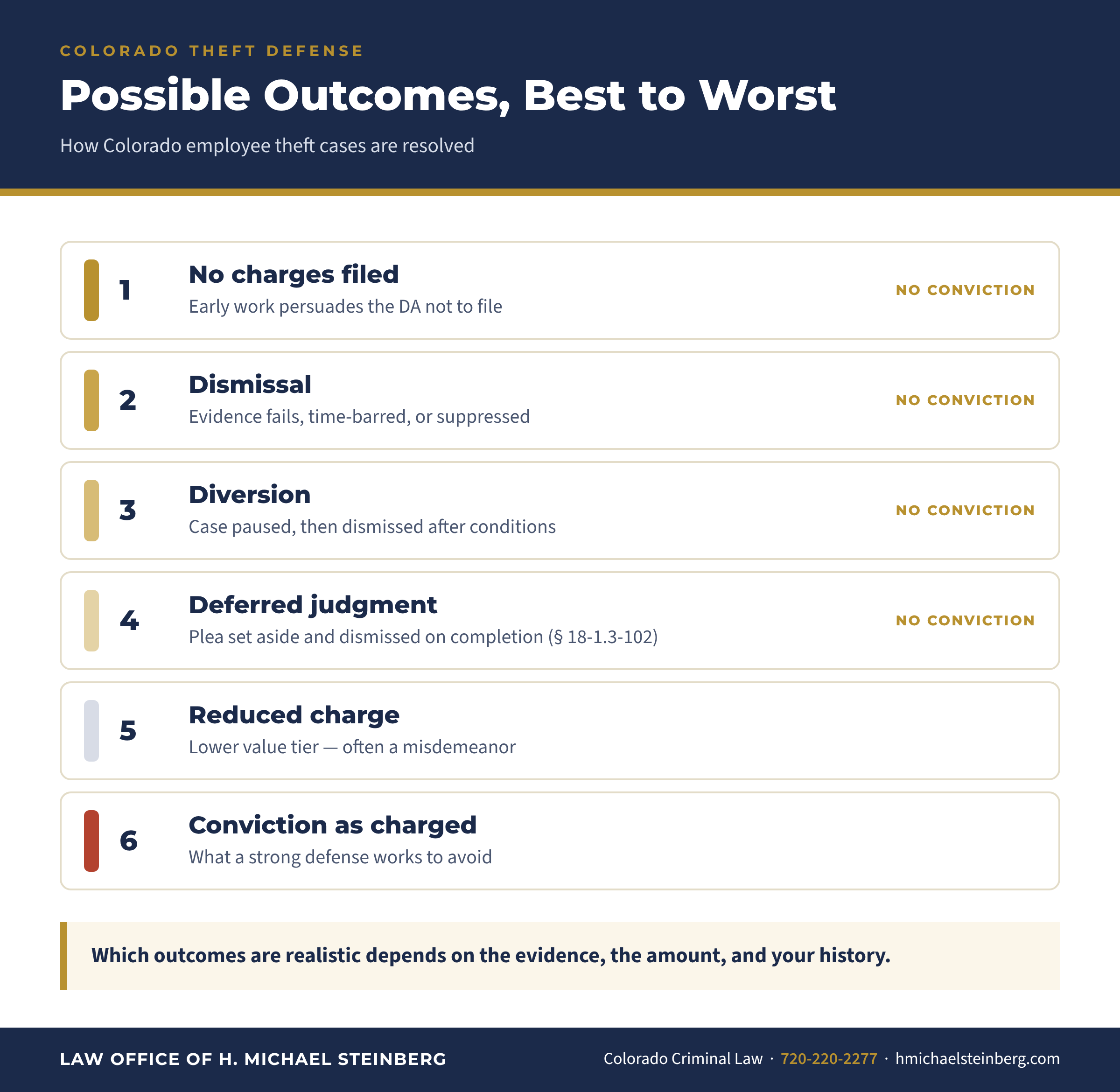 Figure 7 — Possible outcomes, best to worst
Consequences Beyond the Courtroom
A theft conviction is often called a “crime of dishonesty,” and it follows people in ways that a sentence does not show:
- Employment. Background checks for finance, bookkeeping, retail management, healthcare, and government jobs focus on theft.
- Professional licenses. Accountants, nurses, real estate professionals, insurance producers, and others may face licensing consequences.
- Bonding and fiduciary roles. A theft conviction can make it difficult to be bonded or serve in positions of trust.
- Immigration. For non-citizens, theft offenses can carry serious immigration consequences. This must be evaluated before any plea.
- Your record. Many outcomes can be sealed later. A dismissed case or a completed deferred judgment is generally eligible. See Colorado Expungements, Record Sealing and Background Checks and Colorado Automatic Record Sealing in 2026.
How the Law Office of H. Michael Steinberg Defends These Cases
For over forty years, H. Michael Steinberg has defended people accused of theft and property crimes across the Denver metro area and Colorado. In an employee theft or embezzlement case, that defense typically means:
- Taking control of communication — with your employer, its lawyers, insurers, and the police — so you stop creating evidence against yourself.
- Getting the records — the full general ledger, bank statements, approvals, policies, and audit logs, not just the employer’s summary.
- Testing the number — with forensic accounting support when needed, to remove authorized, duplicated, time-barred, and un-provable amounts.
- Building the authorization and intent story — with documents and witnesses who can show how the business actually operated.
- Negotiating from strength — whether that means persuading the prosecutor not to file, securing diversion or a deferred judgment, reducing the charge, or preparing for trial.
- Protecting your future — with an eye on restitution, licensing, immigration, and record sealing from the start.
If you have been accused of stealing from your employer, are being questioned by HR or the police, or have received a demand letter, call the Law Office of H. Michael Steinberg at 720-220-2277 or contact us online before you say anything else. The earlier we get involved, the more options you have.
Frequently Asked Questions
Is embezzlement a separate crime in Colorado?
Not for private employers. Under C.R.S. § 18-4-403, embezzlement is part of the single crime of theft, charged under C.R.S. § 18-4-401. The value involved determines whether it is a petty offense, a misdemeanor, or a felony. (Embezzlement of public property has its own statute.)
Should I talk to my employer or HR if I am accused of theft?
Not before speaking with a criminal defense lawyer. A private employer’s interview is not covered by Miranda, and anything you say can be given to the police. You can politely decline to answer questions until you have counsel.
If I pay the money back, will the charges go away?
Not automatically. Only the district attorney decides whether to file or dismiss charges. Repayment can help, especially when it is negotiated by your lawyer without admissions, but a company-drafted repayment agreement can become evidence against you.
Can small amounts over time become a felony?
Yes. Colorado allows thefts within six months, or thefts from the same person under one scheme, to be aggregated into a single charge based on the total value. But the prosecution must prove each theft it combines.
What is the statute of limitations for employee theft in Colorado?
Generally three years for felonies, 18 months for misdemeanors, and six months for petty offenses, measured from discovery of the criminal act. Courts have interpreted discovery to include when the victim reasonably should have known the facts.
Will I go to prison for employee theft?
It depends on the amount, your history, and how the case is resolved. Many first-time cases end in probation, a deferred judgment, diversion, or a reduced charge. Felony theft carries prison exposure, so early defense work matters.
Can a theft case be sealed?
Often. Dismissed cases and completed deferred judgments are generally eligible, and many theft convictions can be sealed after a waiting period. Eligibility depends on the outcome and your record.
Related Reading
- Colorado Theft Crimes Defense
- A Guide to White Collar Defense in Colorado
- Colorado Identity Theft and Financial Exploitation Defense
- The Colorado Criminal Case: From Investigation Through Trial
- What Should You Do in Colorado If You Learn You Are Under Criminal Investigation?
- How Restitution Is Calculated and Ordered in Colorado Criminal Cases