 Colorado Criminal Lawyer Blog
The Power Of A Colorado Trial Judge To Exclude Evidence Part II


The Power Of A Colorado Trial Judge To Exclude Evidence – Part II
By H. Michael Steinberg, A Colorado Criminal Defense Lawyer – Practicing Colorado Criminal Law from both sides for over 40 years.
Introduction
This is the second part of a foray into the complexity of Colorado laws governing obstacles that can prevent the defense from pursuing the theory of their case at trial.
Most Colorado defendants believe that “you can always tell your side of the story to a jury at trial,” and they picture a wide-open stage to launch their defense. They sincerely believe that their right of due process guarantees them full access to present their case to the jury.
In real trials, that’s not always the case. The “gatekeeper” to the jury is the judge who presides over the marshaling of evidence that reaches the jury’s eyes and ears.
A Colorado trial judge has massive power – authority – over what defenses the jury actually receives. Not in some shady way but by applying different rules – the rules of criminal procedure, the US and state constitutions, case law, and the Colorado rules of evidence.
The Limits Of The Law – Criminal Procedure – Rules Of Evidence And Case Law
If a defense is legally invalid, unsupported by the evidence, untimely, or would mislead the jury, the judge will most likely keep it out.
Sometimes the judge does it at a pretrial hearing, before jurors are even picked. Sometimes it happens mid-trial, at the jury instruction conference, when the parties argue over what defenses are allowed into the final packet of jury instructions the jury receives.
And sometimes it’s quieter, more surgical, through evidentiary rulings throughout the trial that make the defense theory impossible to present in any meaningful way. When that happens, it can feel like the floor just drops out under the defense.
This is a plain-language walk-through of how and why Colorado judges can exclude defenses, the legal tools they use, and the limits on their power.
What “Excluding A Defense” Means In The Colorado Court System
When lawyers say a judge “excluded” a defense, it can mean several different issues.
Examples include the following:
- No jury instruction on the defense. This is the big one. In Colorado, if the jury is never instructed on, for example, self-defense, duress, mistake, or other defenses, then practically speaking the defense does not exist during jury deliberations.
- Entirely precluding the defense theory at pretrial. Sometimes the Court rules a defense is legally unavailable as a matter of law. For example, the defense might not be allowed to argue a certain justification if the law does not permit it in the context of the crime or crimes charged (see alternate suspect defense below).
- Limiting evidence so strictly the desired defense cannot be developed. If key evidence is excluded under the Colorado Rules of Evidence, the defense might technically still be “allowed,” but it results in a “hollow” win.
- Sanctions for discovery violations that bar defense witnesses or exhibits. If the defense fails to disclose an expert on time, or reveals a surprise witness, the court can preclude that evidence as a violation of the rules.
Excluding a defense is not always one dramatic “you may not raise that defense” moment. It’s often a chain of rulings that end with the prohibition of the desired defense sought at trial.
The Colorado Judge’s Primary Function: Gatekeeper To What Juries Are Allowed To Hear And See
As noted above. Colorado trial judges are essentially gatekeepers of the evidence admitted at trial. They are charged with preventing juries from deciding cases based on confusion, speculation, or emotional narratives that have no evidentiary legal basis upon which a prosecutor or defense attorney may seek to admit evidence at trial.
For example, when the defense seeks to offer evidence at trial the judge takes a close look at all of the evidence offered… and asks:
- Is this defense recognized by Colorado law?
- Is there enough evidence offered to support this defense?
- Would presenting it at trial mislead the jury in some way?
- Is the proffered (offered) evidence admissible under the rules of evidence?
- Is the defense attempting to argue for the admission of evidence that can not later be supported by a Colorado jury instruction?
Legal Invalidity: When The Defense Doesn’t Exist Under Colorado Law
The most obvious exclusion of evidence is when the defense is simply not legally available under Colorado law.
Sometimes defendants want to argue something that sounds morally compelling but is not a recognized legal defense. A defense attorney may attempt to “stretch” a real defense past its legal boundary.
Colorado judges can exclude defenses that are not legally recognized, are foreclosed by statute, or are incompatible with the elements of the charged offense.
For example, if a defense requires proof of a specific circumstance, and a statute expressly says it does not apply, the judge can keep it out. Some defenses are not “affirmative defenses” but rather arguments about the prosecution’s burden.
The judge may limit how the defense is framed. Juries are instructed on law, not emotion. A defense lawyer can argue “the People didn’t prove intent,” but that is different from asking for a special instruction on a defense that the law does not recognize.
This may seem confusing and somewhat vague; therefore, examples follow to help flesh out these concepts more fully.
The “Some Credible Evidence” Threshold Example Of An Affirmative Defense – Self-Defense
In Colorado, a defendant is entitled to an instruction on a theory of defense or an affirmative defense only if there is some credible evidence in the record to support it. This is a low bar. It is not proof beyond a reasonable doubt. It is not even a preponderance of the evidence. It is just enough evidence that a reasonable juror could find the factual predicate for the defense to go to the jury.
But “some evidence” still means some credible evidence; not speculation; not argument by counsel; not a wish but real identifiable evidence.
This is where a lot of defenses get quietly excluded. It may happen because the defense wants the instruction, but the record is thin, there is NO evidence, or the only supporting evidence may be inadmissible.
The Colorado Supreme Court recently explained the “some credible evidence” rule in the case of Galvan v. People:
Section 18-1-407(1) addresses the quantum of proof required to raise an
affirmative defense. It provides that, “unless the state’s evidence raises the issue involving” an affirmative defense, “the defendant, to raise the issue, shall present some credible evidence on that issue.” § 18-1-407(1) (emphasis added).
We’ve referred to the standard verbatim, “some credible evidence”, but we’ve also referred to variations of the standard, such as: “any credible evidence, including even highly improbable” evidence.
Here is the law on affirmative defenses in Colorado:
§ 18-1-407. Affirmative defenses
CO Rev Stat § 18-1-407 (2025)
- (1) “Affirmative defense” means that unless the state’s evidence raises the issue involving the alleged defense, the defendant, to raise the issue, shall present some credible evidence on that issue.
- (2) If the issue involved in an affirmative defense is raised, then the guilt of the defendant must be established beyond a reasonable doubt as to that issue as well as all other elements of the offense.
Common Affirmative Defenses
- Self-Defense: Justifies the use of force to protect oneself from imminent harm.
- Insanity: Claims that the defendant was not in a sound mental state at the time of the offense, affecting their ability to understand the nature of their actions.
- Necessity: Argues that the defendant acted to prevent a greater harm, making their actions justifiable under the circumstances.
- Duress: Asserts that the defendant was forced to commit the act due to immediate threats of harm to themselves or others.
If the defense cannot produce “some credible evidence” for a claim of self-defense, a Colorado judge can say, essentially: “You can argue the facts you proved, but you do not get the legal instruction because there’s no evidentiary foundation to support the affirmative defense.”
If the defense theory is not in the instructions, jurors are not allowed to consider it as a defense.
How All Of This Plays Out At Trial
The defense requests jury instructions for, say, self-defense or defense of others. The prosecutor objects. The judge reviews the evidence in the light most favorable to the defendant for purposes of the instruction question, but still asks: is there a factual basis?
If the judge finds none, the instruction is denied. The defense can still argue reasonable doubt as a general proposition, but the defense framework, the theory of its case – is essentially weakened or gone.
This is not the judge “weighing credibility” and substituting for the jury; it is the judge deciding if the legal issue – here, self-defense- is supported by real evidence.
Evidentiary Gatekeeping: How The Colorado Rules of Evidence Can Stop A Defense In Its Tracks
A defense can also be excluded in practice when the Court excludes the evidence needed to support it where there is an application of the Colorado rules of evidence.
Colorado judges have broad authority to keep out evidence that is:
- irrelevant (CRE 401, 402)
- unfairly prejudicial, confusing, misleading, or a waste of time (CRE 403)
- hearsay without an exception (CRE 801 to 807)
- improper character evidence (CRE 404)
- improper impeachment or bad acts evidence depending on the rule and purpose (CRE 608, 609)
- expert testimony that fails reliability or fit requirements (CRE 702 and related case law)
The point here is not that Colorado judges are anti-defense. The point is, evidence rules apply to both sides, and certain defenses often rely on evidence that is emotionally powerful but legally inadmissible.
A few common issues that are flushed out from the perspective of a Colorado criminal defense lawyer.
1. Character And Propensity
Defendants sometimes want to show the victim was “a violent person” or “a liar” to support a self-defense theory of the case, such as to explain the fear felt by the defendant before they exercised their right to self-defense.
Colorado law allows certain character evidence in limited ways, and sometimes specific acts can be admitted at trial for specific purposes. But that evidence is heavily controlled. The Court will require a very specific and complex legal “foundation” to admit the evidence..
2. Prior Acts, Alternative Suspect Evidence, Third Party Culpability
Defense may seek to point at someone else as having actually committed a crime.
Colorado courts allow third-party culpability evidence, but that evidence cannot be based solely on pure speculation. The judge can require a showing of a non-speculative link between the third party and the crime.
If, for example, the proposed evidence is “this person had a motive to commit this crime” without more, a judge will most likely exclude the evidence as irrelevant or confusing under CRE 403.
If that evidence is excluded, the defense may lose the practical ability to argue the alternative suspect theory.
3. Experts
A lot of defenses live or die on experts.
For example”
- Self-defense cases may involve use of force experts.
- Mental state defenses may involve psychologists.
- Identification defenses may involve memory and perception experts.
- Drug cases may involve lab experts.
If the defense does not timely disclose, or the methodology used by the expert is not reliable, or the opinions offered don’t “fit” the issues, the Court can limit or even exclude the expert. Colorado judges have very real power/discretion here.
Without that expert, the defense might still exist in theory, but the jury might never hear the explanation that makes that defense understandable.
Discovery And Procedure: A Colorado Judge Can Preclude Defense Evidence As A Sanction
This one surprises people.
The Constitution protects the right to present a defense. But it does not give the defense a total “pass” to violate certain procedural rules.
If the defense fails to timely notice and disclose witnesses, fails to disclose exhibits, fails to provide expert reports, or otherwise violates discovery orders, Colorado trial judges can impose sanctions.
One of the harshest is preclusion of that evidence or witness.
Courts will consider factors such as prejudice to the other side, bad faith by the party offering the evidence, or, if applicable because of a late endorsement or report, whether a continuance will cure the harm.
If a barred witness is essential to the defense, the defense might be effectively excluded. That is why effective Colorado criminal defense lawyers obsess over disclosures and deadlines, not because they love paperwork, but because the penalty can be catastrophic to their case
“You Can’t Argue That”
A Colorado judge might allow the defense to argue a narrative argument based on the evidence, but refuse to allow the argument to pose as a legal defense in the jury instructions given to the jury.
Or the reverse. A judge might give an instruction but limit certain arguments because those arguments misstate the law or imply facts that are not in evidence.
Colorado judges can control closing arguments in that way. Lawyers are allowed latitude, but not unlimited latitude. If a defense lawyer starts to argue for an excluded defense that the jury will not receive an instruction of law, the prosecutor will most likely object, and often the objection will be sustained.
That can feel like the judge is silencing the defense. But from the judge’s perspective, it’s about not letting counsel argue law that isn’t the law of the case.
The Constitutional Backstop: The Right to Present A Defense Is Real, But Not Absolute
If this all sounds like too much power placed in the hands of a Colorado judge, the appellate courts exist to limit that power in certain instances.
A defendant has important constitutional rights under the Sixth and Fourteenth Amendments to present a defense and to have a meaningful opportunity to be heard.
But that right, as noted above, operates within rules of evidence and procedure. Courts often phrase it like this: the right to present a defense does not include the right to present irrelevant evidence, unreliable evidence, or evidence barred by longstanding rules that serve legitimate purposes.
A Colorado judge’s power is broad, but not unlimited.
If a judge excludes a defense or evidence in a way that is arbitrary, disproportionate, or that guts the defense without justification, that can amount to reversible error on appeal.
Still. Appeals take time. And trial is where the case is actually won or lost.
How Judges Decide: The Practical Checklist
In real life, when a defense is on the edge of being admitted, judges often work through questions like these:
- What exactly is the defense requesting?
- Is this a recognized defense or just the defense’s theory of the case?
- What evidence supports each required element of the defense?
- Is the evidence purportedly supporting the defense admissible, or is it mostly hearsay and speculation?
- Is the probative value of this evidence substantially outweighed by confusion or unfair prejudice to the other side?
- Would allowing the evidence cause a sideshow trial inside of the trial?
- Has the defense complied with disclosure rules?
- Can a limiting instruction fix the problem, or is exclusion of the evidence necessary?
That last part matters. Judges sometimes choose a middle path. They allow some evidence, but not all. They allow cross-examination on a topic, but limit the scope. Or they craft a tailored instruction to the jury to fix the issue.
But if the judge thinks the defense will mislead the jury or has no evidentiary legs, exclusion is absolutely on the table.
Motion Practice: The Pretrial Fight
Most defense exclusions are set up by pretrial motions.
Common ones include:
- Motions in limine to bar certain evidence or arguments.
- Requests for offers of proof where the defense has to explain, in detail, what the evidence will be and why it is admissible.
- Hearings on expert admissibility where the judge tests reliability and relevance.
- Notice requirements for certain defenses, depending on the type of defense and the rules.
These are not side quests. They are often the actual battleground. By the time the jury arrives, the biggest defense themes may already be narrowed.
And jurors will never know. They’ll assume they heard the whole story. They rarely do.
A Judge Excluding a Defense Is Not the Same As A Judge Believing The Defendant Is Guilty
This part is worth saying plainly.
When a Colorado trial judge excludes a defense, it does not necessarily mean the judge thinks the defendant is lying or guilty. Judges exclude defenses because the law requires a legal and evidentiary foundation before jurors can be instructed on them, and because evidence rules exist to keep trials coherent.
You can have a defendant who feels sincerely justified, or coerced, or misunderstood, and still not have a legally viable defense under Colorado statutes and case law.
That mismatch is brutal, emotionally. But it’s common.
Practical Takeaways
If you’re building a defense in Colorado and you want to avoid that defense being excluded, you need to do three things early, not late:
- Pick a defense that actually fits the statute and the charges,- Not just morally, but legally.
- Develop admissible evidence for every required element. – Not just one good fact but each required fact.
- Disclose that defense properly and on time. – Especially experts, especially niche witnesses and specially anything the court might view as surprise.
Because when judges exclude defenses, it’s often because the defense arrived half built.
Summary And Conclusion
Trials are complex.
Despite common beliefs, a jury is most often deciding between two full, unlimited stories; it is deciding between two legally permitted versions of a story, constrained by rules, and curated through judicial rulings that happen in hearings most people never see.
Colorado trial judges are the gatekeepers.
Sometimes they are compelled to protect the integrity of the process but may feel like they narrow the truth too much.
The power of a Colorado trial judge to exclude a defense source from several different areas of the law all working together: the legal availability of defenses, the “some credible evidence” requirement for instructions, evidentiary rules, and procedural enforcement like discovery sanctions.
Put differently. A defense is not something you just announce. It’s something you push through using the law and admissible facts. The judge is the one who decides whether it makes it to the jury.
FAQs (Frequently Asked Questions)
What does it mean when a judge ‘excludes a defense’ in a Colorado criminal trial?
When a judge excludes a defense, it can mean several things: no jury instruction on that defense is given; the defense theory is precluded pretrial as legally unavailable; key evidence supporting the defense is excluded, making it hollow; or sanctions bar defense witnesses or exhibits. These rulings often combine to effectively remove the defense from the jury’s consideration.
Why do Colorado judges have the authority to exclude certain defenses during a trial?
Colorado judges act as gatekeepers to ensure juries decide cases based on law and evidence, not speculation or emotion. They exclude defenses that are legally invalid, unsupported by evidence, untimely, or misleading under evidentiary rules and criminal procedure, maintaining trial integrity and adherence to Colorado law.
What criteria must be met for a defendant to receive a jury instruction on a particular defense in Colorado?
A defendant is entitled to a jury instruction on a defense only if there is ‘some evidence’ in the record supporting it. This means enough factual evidence for a reasonable juror to find the defense’s factual basis—not mere speculation or argument—before an instruction is given.
How do judges determine if there is ‘some evidence’ to support a defense instruction?
Judges review the evidence in the light most favorable to the defendant solely for deciding whether factual predicates exist for the defense. They do not weigh credibility but assess if the legal issue is generated by admissible evidence before allowing an instruction.
Can a morally compelling argument be excluded as a defense in Colorado courts?
Yes. If a defense lacks legal recognition under Colorado law, is foreclosed by statute, or is incompatible with offense elements, judges can exclude it even if it seems morally compelling. The law defines which defenses are valid, not just moral considerations.
How does excluding defenses affect defendants during trial?
Excluding defenses can significantly limit what jurors consider during deliberations. Without proper instructions or supporting evidence allowed, defendants lose opportunities to present their legal justifications fully, which can feel like losing the foundation of their case.
This restriction may increase the likelihood of conviction, as jurors are left with fewer perspectives to weigh. It underscores the importance of precise legal definitions and procedural fairness in criminal trials.
Ultimately, ensuring that all relevant defenses are heard helps maintain the integrity of the justice system and upholds the rights of the accused, fostering greater confidence in trial outcomes.
Colorado Criminal Law – The Power Of A Colorado Trial Judge To Exclude Evidence – Part II
The reader is alerted that Colorado criminal law, like criminal law in every state and at the Federal level, changes constantly. The article appearing above was accurate when it was drafted, but it cannot account for changes occurring after it was uploaded.
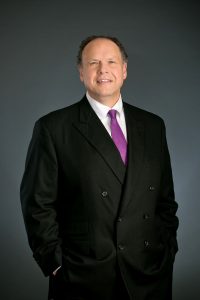 ABOUT THE AUTHOR: H. Michael Steinberg – Email the Author at: hmsteinberg@hotmail.com
A Denver, Colorado Criminal Defense Lawyer – or call his office at 303-627-7777 during business hours – or call his cell if you cannot wait and need his immediate assistance – please call 720-220-2277.
“A good criminal defense lawyer is someone who devotes themselves to their client’s case from beginning to end, always realizing that this case is the most important thing in that client’s life.”
Putting more than 40 years of Colorado criminal defense experience to work for you.
You should be careful to make a responsible choice when selecting a Colorado criminal defense lawyer. We encourage you to “vet” our firm. Over the last 40 years – by focusing ONLY on Colorado criminal law – H. Michael has had the necessary time to commit to the task of constantly updating himself on nearly every area of criminal law, including Colorado criminal law and procedure and trial and courtroom practice.
H. Michael works hard to get his clients the best possible results in and out of the courtroom. He has written, and continues to write, extensively on Colorado criminal law, and he hopes this article helps you in some small way.